In late 2023, the City of Rochester issued a request for proposals for the development of a Community Food System Plan. The mandate was broad: assess the city’s entire food environment, gather input from residents who don’t typically get asked, and turn the findings into a set of goals that the city’s government could act on. Rochester selected KK&P to lead the effort, working alongside partner firms Mass Economics, Highland Planning, and James Lima Planning + Development.
Rochester has faced significant socio-economic challenges since the middle of the 20th century. The city has lost more than a third of its population since the 1950s, along with the manufacturing employers that once anchored its economy. Over the last 30 years, supermarkets have left Rochester for its suburban surroundings—the city is home to about 28% of Monroe County’s residents but just 14% of its supermarkets. It is estimated that nearly one in five residents now live with food insecurity, roughly double the rate in the surrounding county. Foodlink, the regional food bank serving Monroe County, reports that food pantries in its service areas have seen needs surge by 65% from 2021 to 2024.
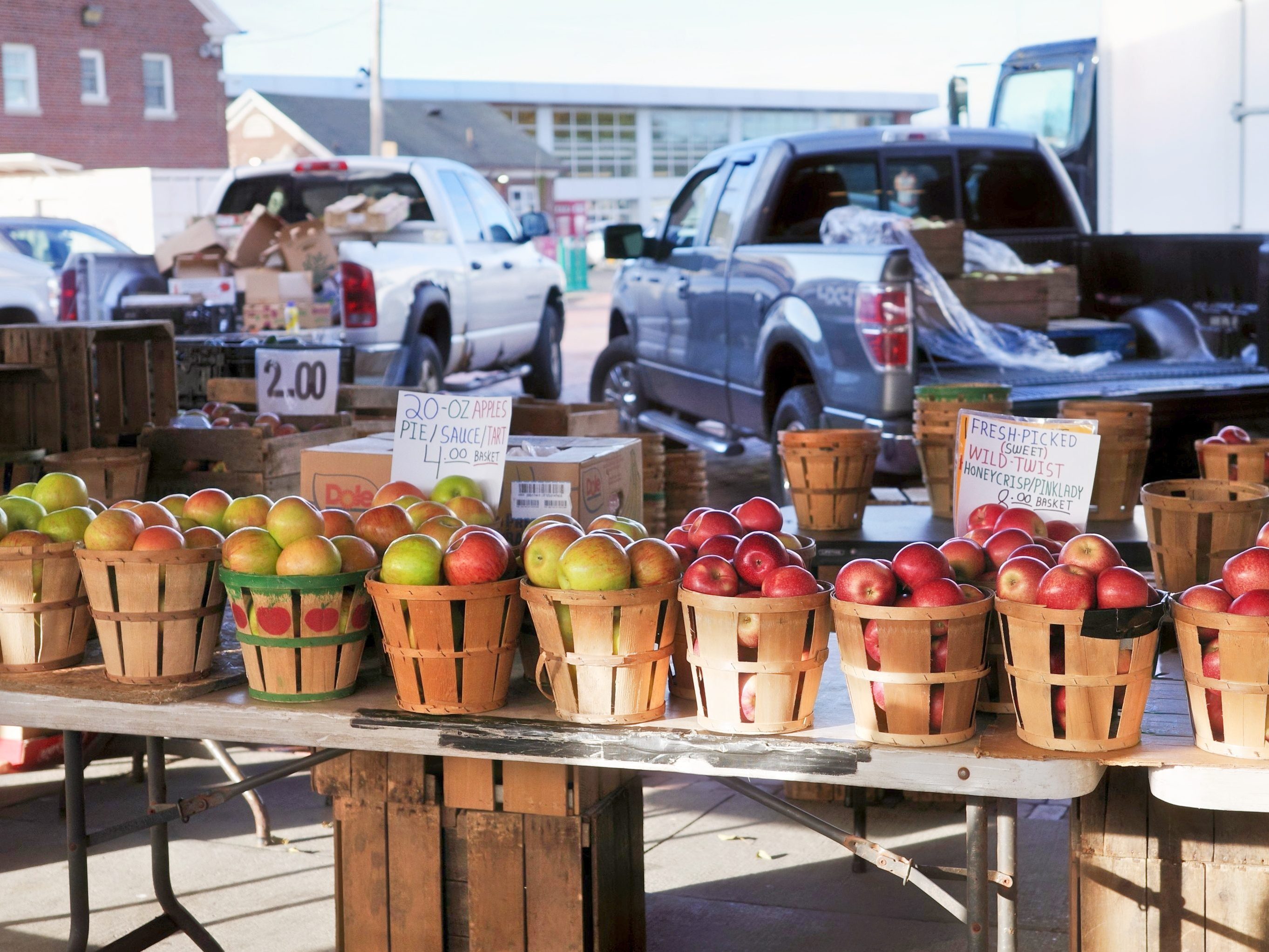
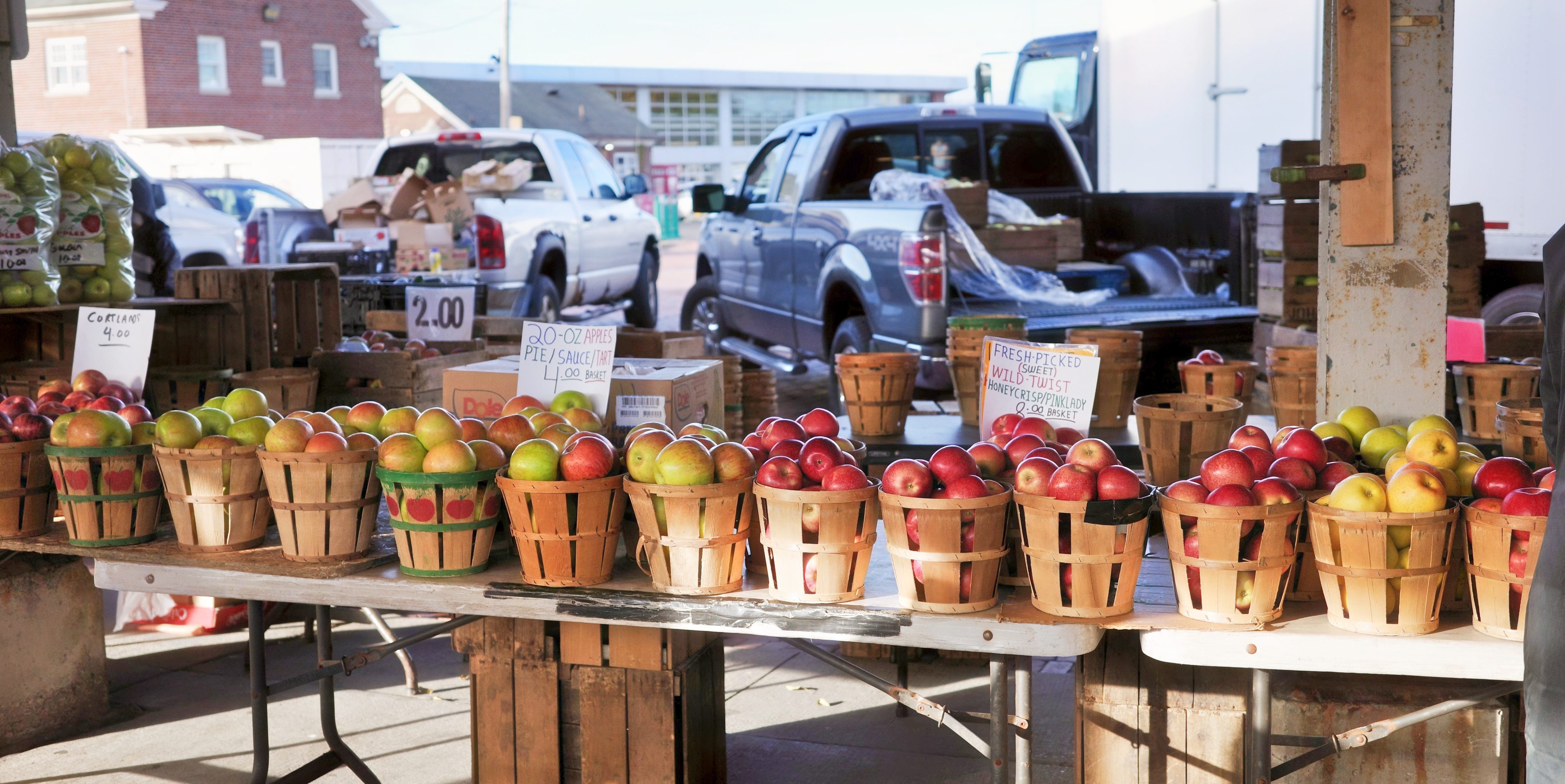
At the same time, Rochester has extraordinary regional resources. The city’s iconic Public Market is one of the most vibrant year-round farmers’ markets in the country. It draws nearly 50,000 shoppers each week and runs one of the nation’s most successful SNAP-based farmers’ market programs (if the Rochester Public Market was its own state, it would rank 11th in farmers’ market SNAP redemptions nationally). The surrounding region contains some of the most productive farmland in the Northeast, concentrated in fruit and vegetable production. Foodlink has built a reputation for innovating beyond basic emergency food distribution with its programs in workforce development and urban agriculture.
Many cities in the United States are familiar with some version of this story—the decline of traditional urban industry and communities, followed by the evolution of local resources to address civic and economic gaps and the emergence of an entrepreneurial, mission-driven food culture. The City of Rochester decided to comprehensively assess these conditions and use the resulting picture to build a strategic plan related to its food sector challenges, resources, and opportunities.
Over two years, the team conducted close to 50 stakeholder interviews, six focus groups, and a community survey that drew more than 730 responses, with deliberate outreach to residents underrepresented in typical planning processes. They visited more than a dozen partner sites in person, including community gardens, organizations like Foodlink and the Commissary, and the Public Market itself. The result of this research was a comprehensive baseline of Rochester’s food system, including food insecurity and nutrition benefit program data, the retail food landscape, food-related health outcomes, institutional meal programs, regional agricultural production, urban agriculture and community gardening, and the local food economy, from manufacturing and distribution jobs to independent food business ownership.
Gathering that much information was only half the job. Translating it into an actionable strategic plan meant making sense of the opportunities, challenges, and gaps it revealed, and thinking through how the city and its stakeholders could respond. Working closely with the Community Advisory Committee and the Rochester Food Policy Council, KK&P spent months synthesizing its findings with community priorities, testing draft goals against resident and stakeholder feedback, and refining recommended actions through iterative rounds of review. The city itself built the aggregated data into a permanent, publicly accessible online map that residents and city staff can keep exploring and updating long after the consultants’ work is complete.

What emerged ultimately is a plan built around five overarching goals, ten supporting strategies, and 44 specific actions, from formalizing the city’s role in food policy to expanding community gardens to building out what the plan calls Rochester’s identity as a “food-forward city.” Each action describes a timeline, potential partners, and models drawn from other cities that have tried something similar. As Mayor Malik Evans writes in the plan’s opening pages, the City of Rochester intends to act as “a convener, partner, and catalyst” for this work going forward, rather than being its sole implementer. Released to the public in August 2026, the Rochester Community Food System Plan now sits with the city and its many partners, from the Rochester Food Policy Council to the Public Market to dozens of neighborhood gardens and small food businesses.
In committing to this assessment and strategic planning process, the City of Rochester along with its residents and partners have taken honest stock of what the city has and what it lacks. With that clear-eyed accounting and a collaboratively built plan, they’re equipped and ready to build together.
Visit our project page on the Rochester Community Food System Plan. >