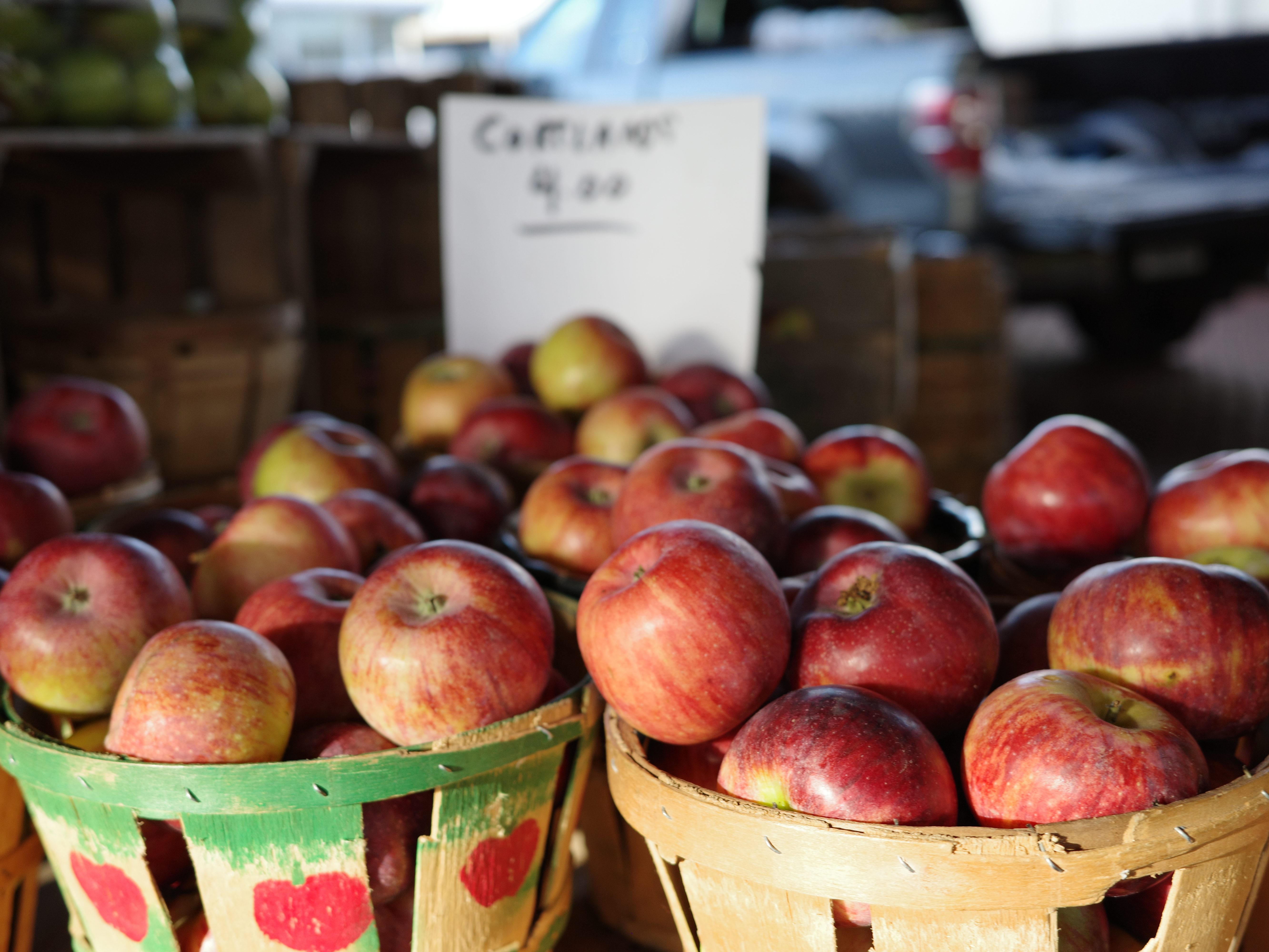
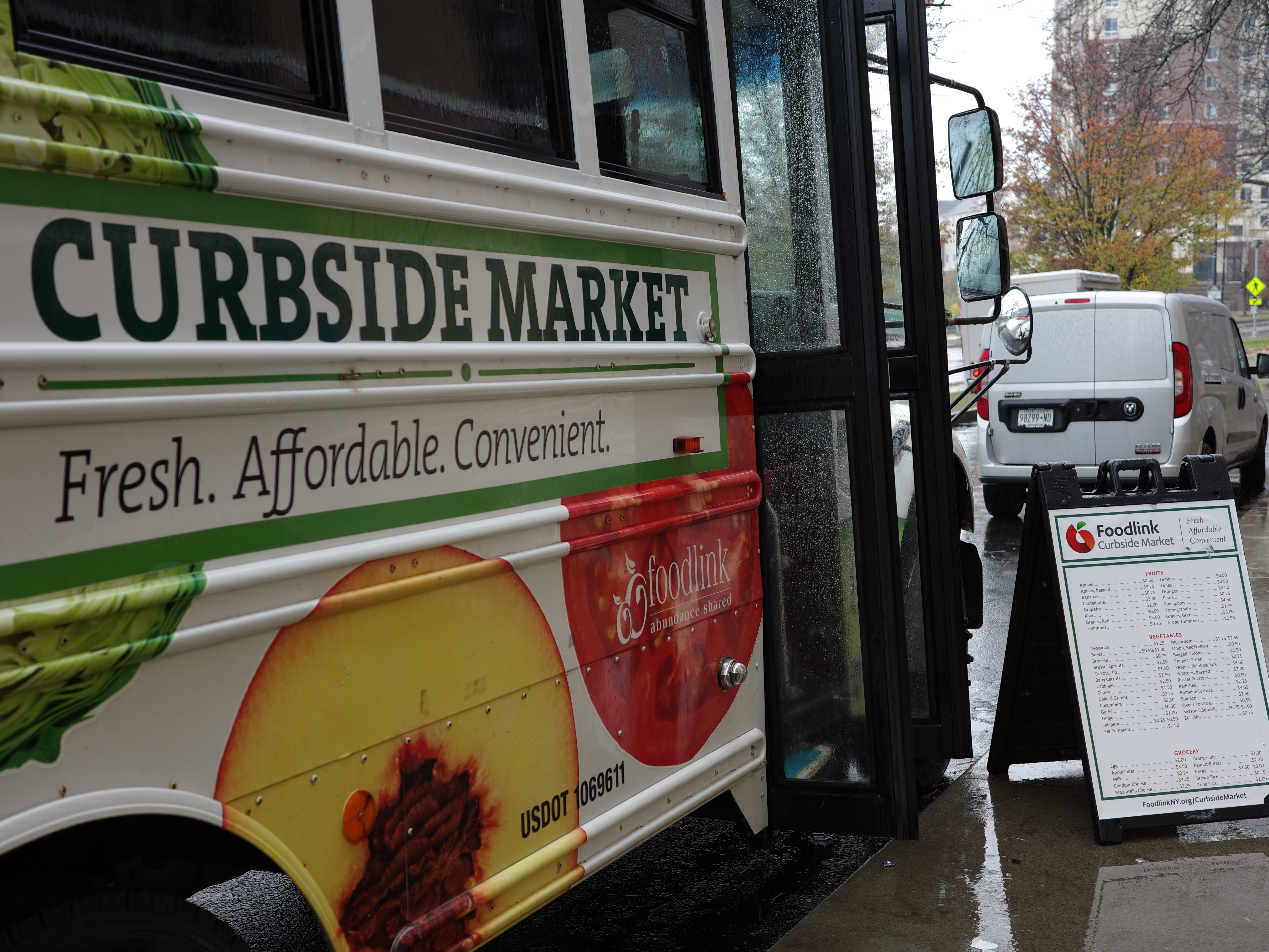
In late 2023, the City of Rochester launched development of its first Community Food System Plan, part of a broader effort to invest in healthy food access made possible by American Rescue Plan Act funding. Located in the heart of the Western New York agricultural region, Rochester is home to a robust ecosystem of local farmers, food businesses, nonprofits, and the iconic Rochester Public Market — yet nearly one in five residents experiences food insecurity, and data and initiatives across the food system remain fragmented. The City retained a consultant team led by KK&P to build a data-driven, community-rooted roadmap for a more equitable and resilient food system, guided throughout by a 25-member Community Advisory Committee and the Rochester Food Policy Council.
Data analysis, mapping, and robust stakeholder engagement formed the backbone of the two-year process. KK&P mapped dozens of food system indicators across the city — from food insecurity and SNAP/WIC access to farmers' markets, community gardens, and food-sector jobs — and developed a Food Access Priority Area (FAPA) methodology to identify the neighborhoods facing the greatest combined barriers to healthy food. This spatial analysis was paired with close to 50 community-based research interviews, six topic-specific focus groups engaging 47 participants, and a community survey drawing more than 730 responses, with targeted outreach to hard-to-reach populations.
Released to the public in 2026, the Plan is organized around five goals — spanning governance, food access, community gardens, the local food economy, and Rochester's culinary identity — each paired with detailed strategies, actions, and timelines. The mapping work also produced a publicly available interactive online food system map, giving residents and partners ongoing access to the underlying data.
Visit the City's webpage on the project here.
Explore the Plan Overview and Interactive Map here.
View and download the executive summary here.
View and download the full report and plan here.