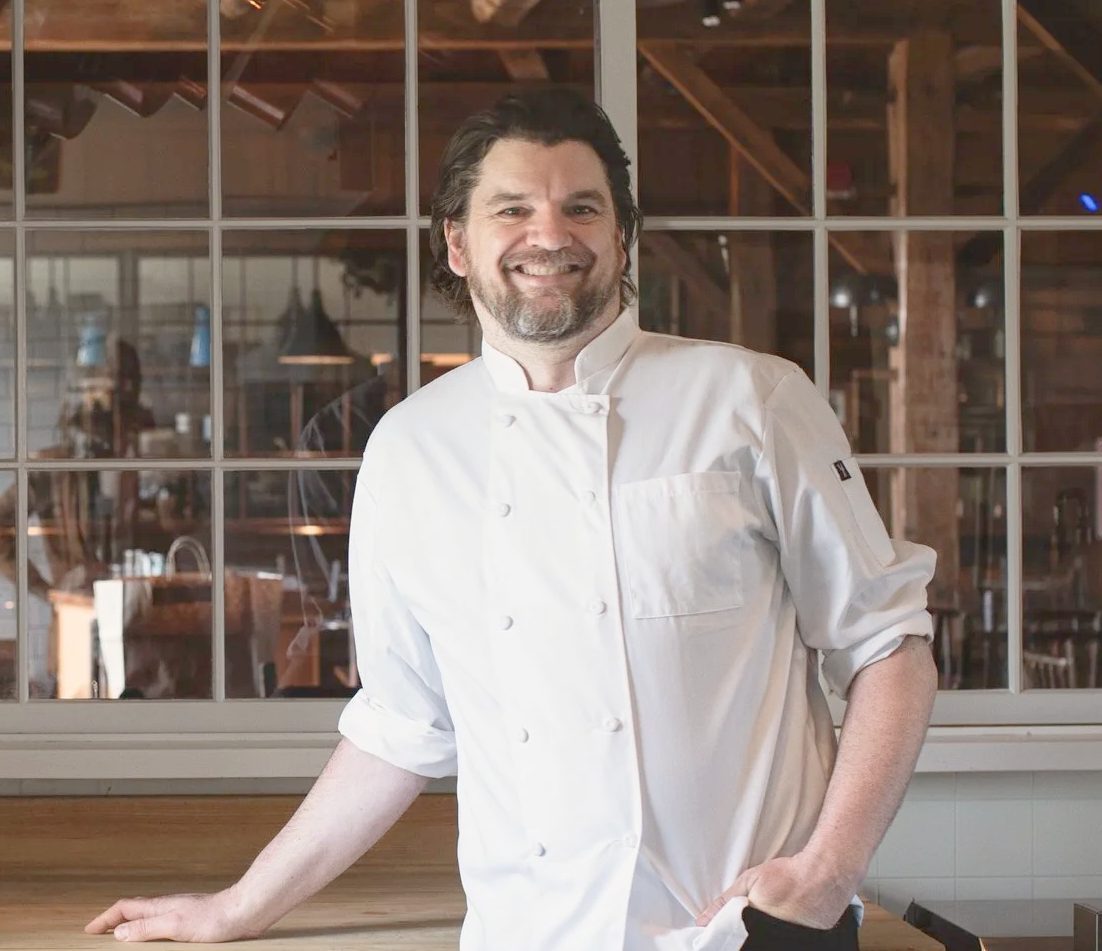
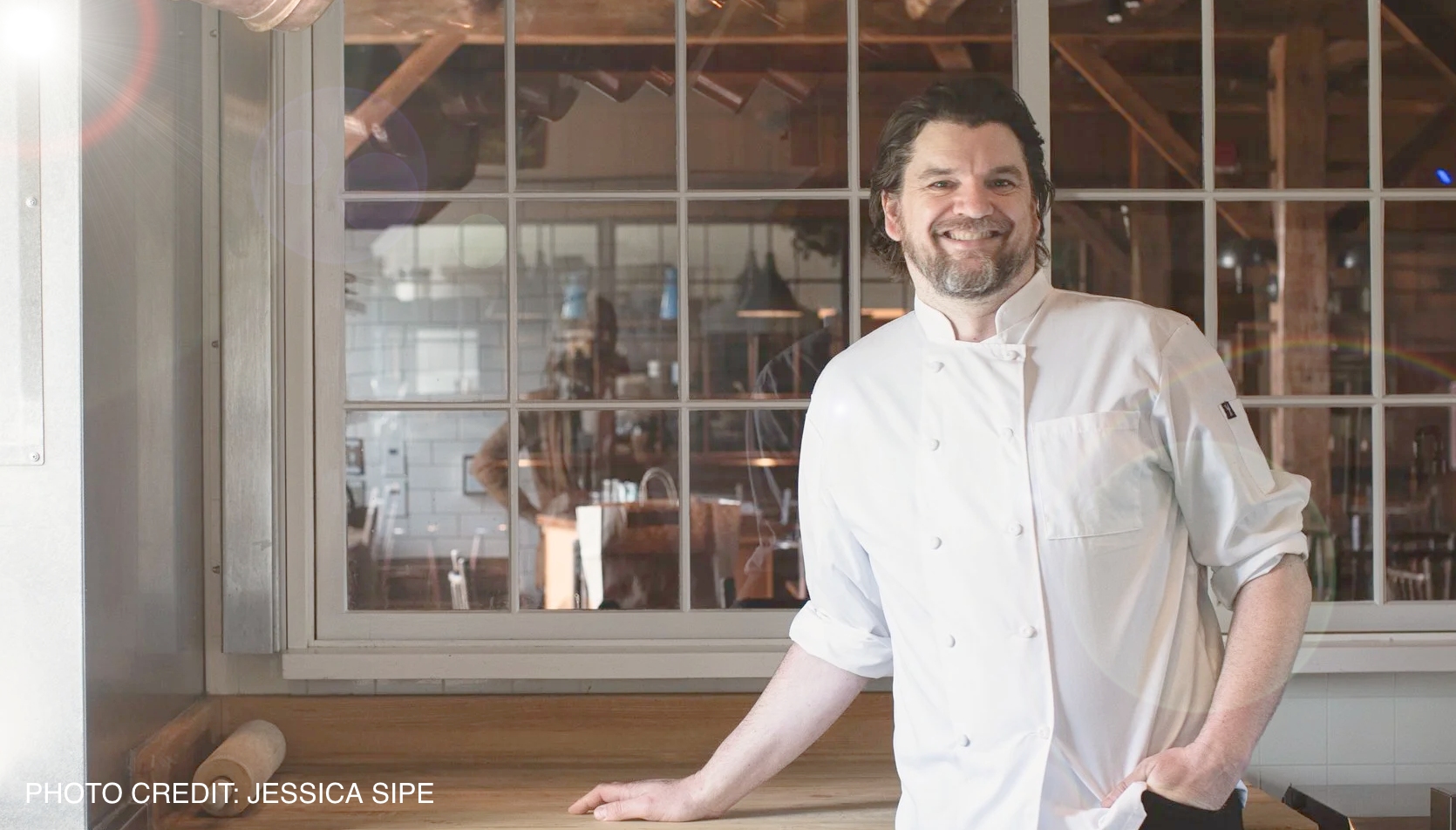
KK&P and Senior Recruiter Christophe Hille have worked with Philo Ridge Farm—a nonprofit demonstration farm in Vermont’s Champlain Valley—for several years on a variety of recruiting projects, from field researcher to managing director. Last year, Christophe helped place Marc St. Jacques as the farm’s new Executive Chef and Director of Food & Beverage. Marc has had a storied career already: chef-owner of Bar Bête in Brooklyn, Executive Chef for April Bloomfield at The Breslin, Executive Chef for Michael Mina in Las Vegas, and more. We caught up with Marc recently to talk about his experience leading Philo’s culinary program so far and about plans for the coming season. You can read more about the farm’s restaurant and market here.
Restaurants with a farm-to-table focus are much more common today than they were when your career started. How have you approached that kind of culinary mission at Philo Ridge and kept the idea fresh and evolving?
In the restaurant industry, saying you’re farm-to-table is almost a given at a certain quality of restaurant. You’re working with farms, products, and vendors. We’re that times one hundred. Everything that’s grown on our property—every vegetable, fifty cows, eighty pigs, close to a hundred lamb, a couple thousand chickens—we have to use. That is such a different experience than going to a farmer’s market and picking up ten pounds of turnips. If we don’t use all the turnips, nobody’s going to use them.
That sparks a lot of creativity, especially in the summertime. When it’s tomato season here, we have tomatoes in eight dishes. We’re putting it on as many things as we possibly can, first because we have to, but second, because it’s so amazing. Recently, we had lots of overgrown cilantro plants so we steeped tons and tons of the stems just before dinner service and making this incredible chicken soup out of it. You can imagine how floral that was. In most farm-to-table restaurants, the seasons drive what they’re doing and what products are available at the market, and they pick those products based on what they need and what looks best. We have to use what we’ve got, and there’s times where we also have to use product that aren’t perfect.
Philo Ridge has a deep commitment to regenerative agriculture practices and a big part of that is its meat program, especially the 100% grass-fed Belted Galloway cows. From a chef’s perspective, what’s it like working with that beef?
First, the flavor is incredible. We’re a farm in a very specific part of the country, on this specific ridge, and that creates different drainage patterns, different wind problems, different sun issues, all positive and negatives. That leads to the flavor of the beef. The meat has a lot of grassiness and a skosh of gaminess on the end, but it’s very tender. Some of the flavor pairings are a little bit different because of that profile. Classically, when cooking with game or lamb, you often introduce a little more herbiness or some fruit and sweetness. Our beef can take a bit more sweetness in dishes than you might do with conventional beef. The texture of the meat is different as well. It’s softer, so when you’re butchering you have to cut it differently. When you’re cooking it, we’ve noticed that we need to move a lot—it can’t sit hard on one spot—and introduce basting flavors or basting fat while cooking.
You’re coming out of the long Vermont winter. What was one of your favorite dishes on the winter menu and how did that come together?
Jeremy, our farmer, and Charlie, our production sous-chef, worked a lot on radicchios and chicories this year. Using what we have a lot of, we made radicchio stuffed with ground beef and Jasper Hill blue cheese, with raisins, mint, parsley and all these different things in there. Then we braised those slowly in a slightly vinegared beef broth, which gives the radicchio a bright pickled color while the blue cheese kind of melts into the sauce. You get the acidity and the classic, rich, blue cheese and beef combination. It was a great way to use a product that we have an abundance of, but doing so in a creative and also familiar way. When you have a few of these stuffed radicchios going out to a table, and people can share the dish—it’s a beautiful thing.
What’s coming up next for the hospitality program that you’re excited about? Any special plans for the summer season?
There are two main things that I’m excited about. One of them is more about the overall animal harvesting cycle, which we spent a lot of time working on this year. It’s about spreading out our butchery program, having different products available year-round, and learning all the beautiful things to do with a pig—for instance—at 175, 275 and even 325 pounds. This is the stuff that’s so incredibly exciting because we’re not just reacting. We’re learning, growing and planning.
From a structural place, we’ve put a lot of effort into our kitchen and dining room this year, especially on making the kitchen a beautiful place for guests to come into. We’re looking at putting a wood burning oven into our open-sided summer barn so we can do something a more casual and rustic. I was fortunate to grow up with grandparents who had a 150-acre farm. When I talk about the dining here, I think about how I ate at my grandparents’ farm. There would be days when we had backyard cook-outs but we also sat in the dining room, sitting up straight and with our best manners. That’s similar to what we’re trying to accomplish here. Maybe one time you’re listening to live music, eating wood-fired asparagus with flatbreads and a cold beer in the summer barn. But then another time come in for a more formal dinner and an amazing night of storytelling on the farm’s products and history. We want to feed people and let them experience this amazing place in as many ways as we can.
Want to learn more about KK&P’s work? See some examples of past projects here.